Claim Free Roof Inspections and Exterior Savings Today!
Mastering the Art of Interior and Exterior Painting: Tips and Techniques
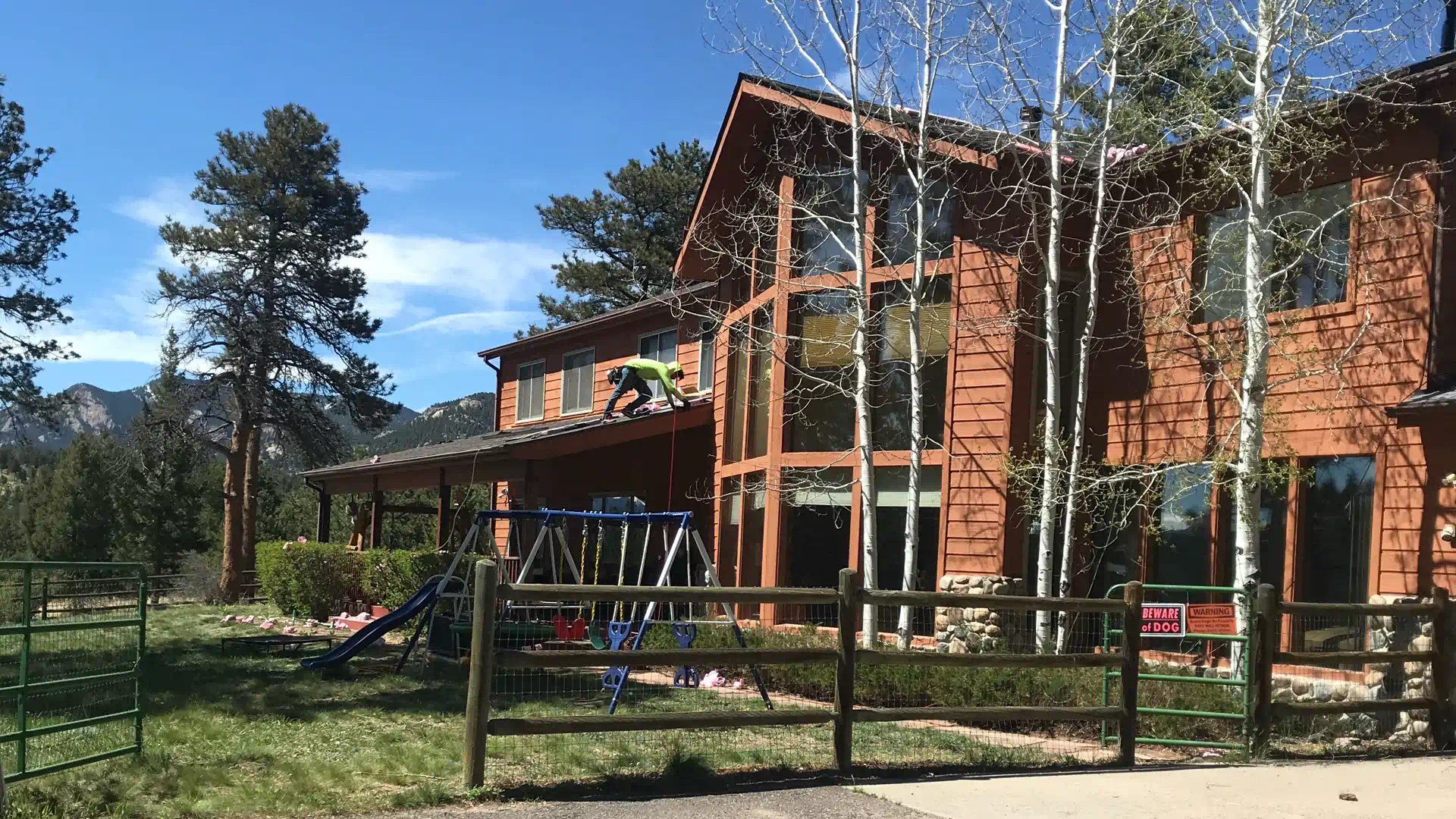
Why Interior and Exterior Painting Matters
A quality paint job transforms far more than the appearance of your home. Interior and exterior painting serves as the first line of defense against Colorado’s demanding climate while significantly increasing property value. Studies consistently show that well-maintained painted surfaces can boost resale value by up to 5%, making it one of the most cost-effective home improvements available to Wellington homeowners.
Exterior paint acts as a weather barrier that protects wood, stucco, and siding from moisture infiltration, UV degradation, and temperature fluctuations. In Northern Colorado, where homes endure intense summer sun, occasional hailstorms, and freeze-thaw cycles throughout winter and spring, this protective layer becomes essential. Without proper paint coverage, structural materials begin deteriorating within months, leading to costly repairs that far exceed the investment in quality painting.
Interior painting impacts indoor air quality, lighting efficiency, and the overall comfort of living spaces. Fresh paint seals surfaces, reduces dust accumulation, and creates a clean environment that reflects light more effectively. For families in Wellington dealing with the dry air common to our elevation, properly painted walls with low-VOC formulations contribute to healthier indoor conditions. The right color choices can make smaller rooms feel spacious and create visual flow between living areas, directly affecting how you experience your home daily.
Surface Preparation Fundamentals
Surface preparation accounts for approximately 70% of a successful paint project, yet homeowners frequently underestimate this critical phase. Proper prep work ensures paint adheres correctly, lasts longer, and delivers a smooth, professional finish. Skipping or rushing preparation leads to peeling, bubbling, and premature failure regardless of paint quality.
Begin exterior preparation by power washing all surfaces to remove dirt, chalking paint, mildew, and debris. In Wellington’s dusty conditions, especially during dry summer months, accumulated grime prevents proper paint adhesion. Allow surfaces to dry completely for at least 48 hours before proceeding. Inspect for damage caused by hail impacts, common in our region, and repair any dents, cracks, or loose siding. Scrape away all flaking paint down to stable material, then sand rough edges smooth. Fill cracks and holes with exterior-grade caulk or wood filler appropriate for the substrate.
Interior preparation requires washing walls with a mild detergent solution to remove cooking residue, smoke film, and hand oils that accumulate over time. Repair nail holes, drywall dings, and cracks with spackling compound, allowing adequate drying time before sanding smooth with 120-grit sandpaper. Remove outlet covers, light switch plates, and protect flooring with canvas drop cloths. Apply painter’s tape along trim, ceilings, and adjacent surfaces you want to protect. Prime all repaired areas, bare wood, and stained surfaces to ensure uniform color and coverage. The dry climate in Northern Colorado means primers and patches dry faster than in humid regions, typically within two to three hours rather than the four to six hours manufacturers list on labels.
Selecting Paint Types and Application Tools
Choosing appropriate paint and tools directly determines project success and longevity. For exterior applications in Colorado, select 100% acrylic latex paints formulated specifically for high-altitude UV exposure. These formulations contain higher levels of titanium dioxide and UV inhibitors that resist the intense solar radiation at our elevation, which exceeds that experienced at lower altitudes by approximately 25%. Flat and satin finishes hide surface imperfections on siding, while semi-gloss works well for trim, shutters, and doors where durability and easier cleaning matter most.
Interior paint selection depends on room function and traffic levels. Flat finishes suit low-traffic areas like bedrooms and ceilings, providing excellent coverage and a sophisticated appearance. Eggshell and satin finishes balance washability with aesthetics for living rooms, dining areas, and hallways. Semi-gloss and gloss finishes perform best in kitchens, bathrooms, and trim work where moisture resistance and frequent cleaning are necessary. Low-VOC and zero-VOC formulations have improved dramatically in recent years, offering excellent coverage and durability without compromising indoor air quality.
Invest in quality tools that match your project scale. For interior work, premium synthetic-bristle brushes in two-inch and three-inch widths handle cutting in and trim work effectively. Nine-inch rollers with half-inch nap covers suit smooth walls and ceilings, while three-eighths-inch nap works for most interior surfaces. Exterior projects require four-inch brushes for siding and trim, plus rollers with three-quarter-inch nap for textured surfaces. A quality extension pole eliminates unnecessary ladder repositioning and reduces fatigue during large projects. She B Roofing & Exteriors maintains professional-grade equipment for all painting services, ensuring consistent, high-quality results that DIY tools cannot always replicate.
Professional Application Techniques
Proper application technique separates amateur results from professional finishes. Start interior projects by cutting in all edges, corners, and trim with a quality brush before rolling main surfaces. Load your brush by dipping only one-third of the bristles into paint, then tap excess against the container rather than wiping across the rim, which removes too much material. Apply paint in smooth, controlled strokes, feathering edges to avoid visible lines. Work in sections approximately three feet square, maintaining a wet edge to prevent lap marks.
When rolling, load the roller evenly by rolling back and forth in the paint tray, then apply paint in a W or M pattern across the wall section. Fill in the pattern with overlapping vertical strokes, using light to moderate pressure. Avoid pressing hard to squeeze out more paint, which creates texture inconsistencies and uneven coverage. Two thin coats always outperform one thick coat, providing better adhesion, more uniform appearance, and longer-lasting results. Allow adequate drying time between coats, typically three to four hours for interior latex paint in Wellington’s low-humidity environment.
Exterior painting demands attention to weather conditions and timing. Never paint in direct sunlight or when surface temperatures exceed 85 degrees, as rapid drying prevents proper adhesion and causes lap marks. Early morning or late afternoon provides ideal conditions during Colorado summers. Apply paint in thin, even coats, working from top to bottom to catch drips and maintain wet edges. Use long, smooth strokes that follow the grain on wood surfaces. Pay special attention to horizontal surfaces like window sills and door tops, which receive maximum weather exposure and require slightly thicker coverage. Inspect completed sections from multiple angles in good lighting to catch missed spots or thin areas before paint dries beyond touchup capability.
Maintenance and Longevity Planning
Protecting your investment in interior and exterior painting requires ongoing attention and timely maintenance. Exterior paint in Northern Colorado typically lasts seven to ten years on vertical surfaces with proper preparation and quality materials, though south-facing and west-facing walls often require repainting two to three years earlier due to intense UV exposure. Horizontal surfaces like railings and window sills may need refreshing every five to six years. Conduct annual inspections each spring, looking for chalking, fading, peeling, or cracks that indicate deteriorating protection.
Wash exterior painted surfaces every two years using a garden hose and soft brush to remove dirt, pollen, and oxidation that accumulate in our dusty climate. Address any caulking failures immediately, as moisture infiltration behind paint causes rapid deterioration. Touch up small chips and scratches promptly to prevent moisture damage to underlying materials. After hailstorms, common in Wellington during late spring and summer, inspect painted surfaces for impact damage that may require professional assessment alongside roofing and siding evaluations.
Interior paint maintenance involves regular cleaning with gentle methods appropriate to each finish type. Wipe flat finishes carefully with dry microfiber cloths or vacuum attachments, as water can burnish these surfaces. Clean satin and semi-gloss finishes with damp cloths and mild soap when needed. Address scuffs and marks promptly while they remain on the surface rather than allowing them to set. Keep small quantities of original paint properly sealed for touchups that blend seamlessly with aged surrounding areas.
When you notice widespread fading, chalking, or surface degradation, schedule a professional evaluation. She B Roofing & Exteriors provides painting services throughout Wellington and surrounding Northern Colorado communities, helping homeowners maintain protective, attractive finishes. Contact us for a complimentary assessment and estimate tailored to your home’s specific conditions and requirements.